FUE vs FUT Hair Transplant: Understanding the Differences
- NOV-19-2026
Hair loss can affect confidence, appearance and overall well-being. While several hair loss treatment options are available, a hair transplant offers a surgical solution for individuals experiencing permanent hair loss or pattern baldness. However, choosing the right procedure requires understanding the available techniques.
When comparing FUE vs FUT Hair Transplant procedures, the primary difference lies in how hair follicles are extracted from the donor area. Both methods involve transferring healthy hair follicles to areas experiencing thinning or baldness, but they differ in extraction techniques, scarring, recovery and suitability.
Understanding these differences can help you choose an appropriate hair restoration approach based on your hair loss pattern, donor hair availability and expectations.
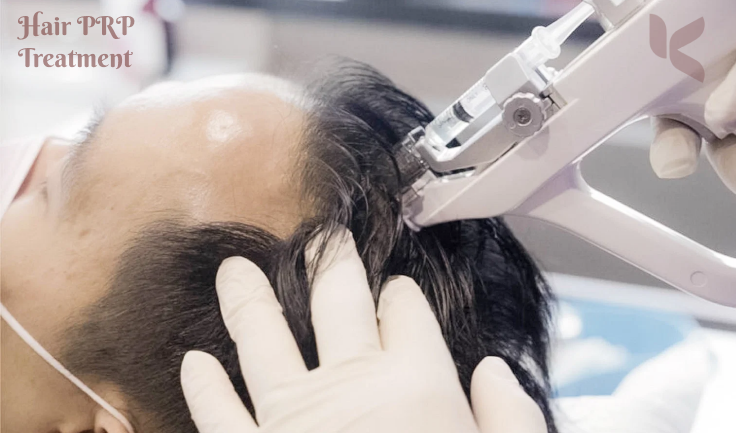
What Is a FUE Hair Transplant?
A FUE Hair Transplant (Follicular Unit Extraction) involves extracting individual hair follicles from the donor area, usually the back or sides of the scalp. These follicles are then implanted into areas affected by hair loss.
Unlike traditional strip harvesting, this procedure does not require removing a section of scalp tissue.
Key features of FUE:
 Individual follicles are extracted using specialised instruments.
- Leaves multiple tiny scars instead of one continuous linear scar.
- Suitable for individuals who prefer shorter hairstyles.
- Recovery involves healing several small extraction sites.
- Requires careful donor area management to prevent overharvesting.
A FUE procedure may be suitable for individuals seeking hair restoration without a linear donor scar. However, the results depend on donor density, surgical planning and the surgeon's expertise.
What Is a FUT Hair Transplant?
A FUT Hair Transplant (Follicular Unit Transplantation), commonly known as the strip method, involves removing a thin strip of hair-bearing skin from the donor area.
The strip is divided into individual follicular units under magnification before being implanted into the recipient area.
Key features of FUT:
- A strip of scalp tissue is surgically removed.
- Follicular units are separated under magnification.
- The donor incision is closed using sutures or staples.
- Leaves a linear scar that can generally be concealed by surrounding hair.
- May be suitable for individuals requiring a larger number of grafts.
FUT can be considered when donor characteristics and long-term restoration goals make strip harvesting appropriate.
FUE vs FUT Hair Transplant: Key Differences
Although both procedures aim to restore hair growth, their extraction methods and recovery experiences differ.
| Comparison | FUE | FUT |
|---|---|---|
| Extraction method | Individual follicle extraction | Strip removal |
| Donor scarring | Multiple tiny scars | Linear scar |
| Stitches | Generally unnecessary | Usually required |
| Recovery | Multiple small extraction sites heal | Donor incision requires healing |
| Hairstyle suitability | Suitable for shorter hairstyles | Linear scar can be concealed with longer hair |
| Graft harvesting | Individual extraction | Microscopic dissection of strip |
Neither technique is universally better. The appropriate choice depends on donor hair availability, scalp characteristics, hair loss pattern and individual preferences.
Which Hair Transplant Technique Is Better?
Choosing between FUE and FUT requires evaluating your hair loss condition and long-term restoration goals.
FUE may be suitable for:
- Individuals who prefer shorter hairstyles.
- Patients who want to avoid a linear donor scar.
- Those with suitable donor density for individual extraction.
- Certain patients undergoing additional restoration.
FUT may be suitable for:
- Individuals with sufficient scalp laxity.
- Patients requiring a substantial number of grafts.
- Those comfortable with a linear donor scar.
- Patients whose donor characteristics make strip harvesting appropriate.
A qualified Hair Transplant Surgeon should assess your scalp condition and explain the benefits and limitations of each procedure before recommending treatment.
How Much Does a Hair Transplant Cost in India?
The Hair Transplant Cost in India varies depending on the technique, number of grafts required, clinic facilities and surgeon's experience.
One important pricing factor is the Hair Transplant Cost Per Graft. Clinics may calculate treatment expenses based on the number of grafts required and the procedure selected.
Factors influencing the overall cost include:
- Technique: FUE and FUT may have different pricing structures.
- Graft requirement: Larger treatment areas generally require more grafts.
- Surgeon's expertise: Experience and specialisation can influence pricing.
- Clinic facilities: Equipment, infrastructure and patient care services contribute to costs.
- Treatment complexity: Previous procedures and individual scalp conditions may affect planning.
If you are wondering, How Much Does a Hair Transplant Cost, request an individual assessment and a detailed cost estimate rather than relying solely on advertised package prices.
FUE, FUT and DHI: Understanding the Options
Apart from FUE and FUT, patients may also come across DHI Hair Transplant while researching hair restoration procedures.
DHI (Direct Hair Implantation) generally uses a specialised implanter device to place harvested follicles into the recipient area.
It is important to understand that DHI describes an implantation approach, whereas FUE and FUT describe donor hair extraction methods. DHI is commonly performed using follicles harvested through FUE.
What Should You Consider Before Choosing a Hair Transplant Clinic?
Selecting the right Hair Transplant Clinic is just as important as choosing the procedure. A detailed consultation helps determine whether hair transplant surgery is appropriate for your condition.
Consider these factors before proceeding:
- Surgeon's qualifications: Check the credentials and experience of the operating surgeon.
- Donor area assessment: Understand the availability of healthy donor follicles.
- Treatment planning: Discuss the expected graft requirement and achievable coverage.
- Realistic expectations: Ask about potential outcomes, limitations and complications.
- Aftercare: Understand recovery instructions and follow-up requirements.
If you are searching for a Hair Transplant Near Me, prioritise qualified medical professionals, transparent consultations and appropriate surgical facilities over promotional offers.
Frequently Asked Questions
Final Thoughts
Choosing between FUE and FUT requires more than comparing extraction techniques or recovery periods. Both procedures offer established approaches to surgical hair restoration, but their suitability varies from person to person.
Before proceeding, consult an experienced hair transplant surgeon, understand your donor hair limitations and discuss realistic treatment outcomes. A personalised treatment plan can help you make an informed decision about restoring hair and managing long-term hair loss. At Lyris Clinical Aesthetics, explore our Hair Transplant in Coimbatore options designed around individual care and consultation.