Hair Transplant vs PRP Treatment: Understanding the Key Differences
- NOV-19-2026
Hair thinning and hair loss can occur due to several factors, including genetics, hormonal changes, medical conditions and lifestyle influences. While different treatments are available to manage these concerns, choosing the right approach depends on the underlying cause, severity of hair loss and expected results.
When exploring Hair Transplant vs PRP Treatment, it is important to understand that both approaches work differently. A hair transplant is a surgical procedure that relocates hair follicles from one area of the scalp to another, whereas Platelet-Rich Plasma (PRP) therapy uses components from the patient's own blood to support hair growth.
Although both are used in hair restoration, they serve different purposes. Understanding their differences can help individuals make informed decisions about suitable treatment options.
What Is a Hair Transplant?
A hair transplant is a surgical procedure that involves relocating healthy hair follicles from a donor area, usually the back or sides of the scalp, to areas experiencing thinning or baldness.
It is commonly recommended for individuals with pattern hair loss who have sufficient donor hair and are suitable candidates for surgery.
Two commonly performed techniques include:
 Follicular Unit Extraction (FUE): Individual hair follicles are extracted from the donor area and implanted into the recipient area.
- Follicular Unit Transplantation (FUT): A strip of scalp tissue is removed from the donor area, and individual follicular units are separated for transplantation.
Hair transplant benefits include:
- Restoring hair in areas with significant thinning or baldness.
- Providing long-lasting results when transplanted follicles survive successfully.
- Creating natural-looking hair distribution through appropriate surgical planning.
- Reducing the appearance of established bald patches.
However, results depend on donor hair availability, surgical technique, the surgeon's expertise and individual healing.
What Is PRP Hair Treatment?
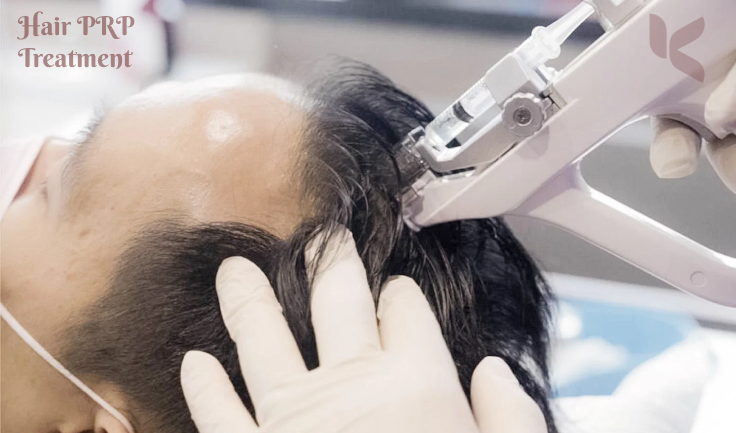
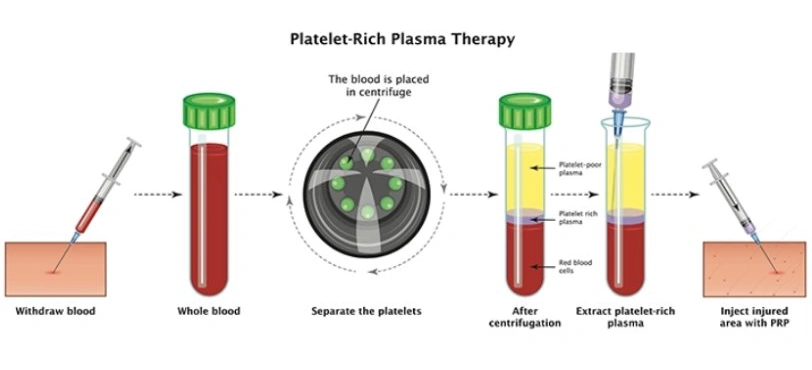
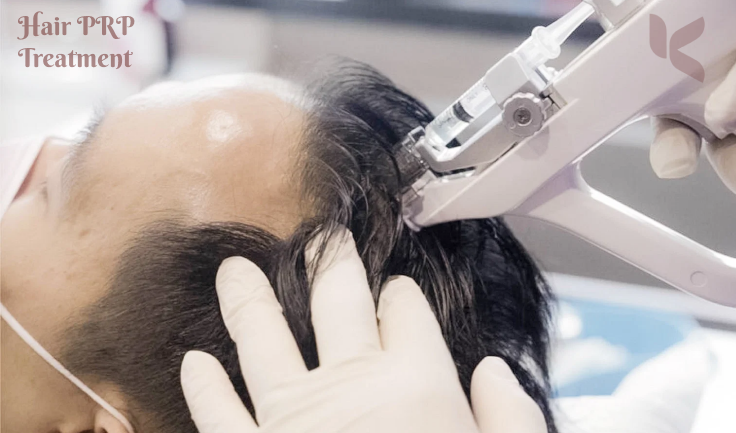
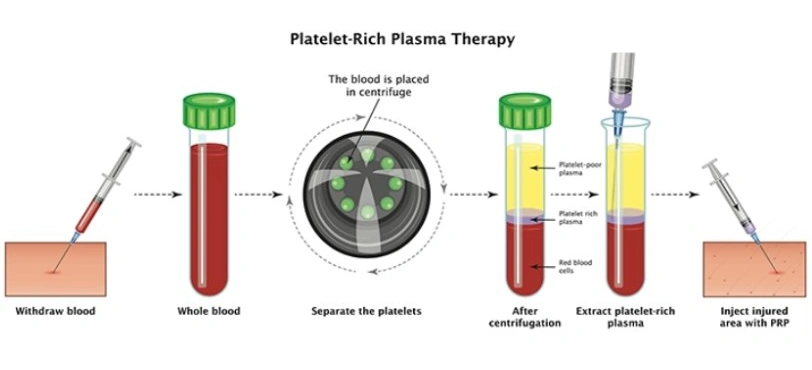
PRP hair treatment is a non-surgical procedure that uses platelet-rich plasma obtained from the patient's own blood. The blood sample is processed using a centrifuge to separate platelet-rich plasma, which is then injected into selected areas of the scalp.
Platelets contain growth factors involved in tissue repair and biological signalling. PRP therapy aims to support the scalp environment and may help improve hair density in certain individuals experiencing hair thinning.
How PRP Treatment Works for Hair:
The procedure generally involves three stages:
- Blood collection: A small blood sample is collected from the patient.
- Plasma separation: The sample is processed in a centrifuge to concentrate platelets.
- Scalp injections: The prepared plasma is injected into targeted areas of the scalp.
The treatment is usually performed in multiple sessions, depending on the individual's condition and the clinician's protocol.
PRP Hair Treatment Benefits:
- A non-surgical approach to managing certain types of hair thinning.
- Uses the patient's own blood components.
- Minimal downtime compared with surgical procedures.
- May improve hair density and thickness in suitable patients.
- Can be considered as part of a broader hair loss management plan.
However, PRP results vary, and scientific evidence regarding its effectiveness is still developing. It does not reliably restore hair in completely bald areas.
Hair Transplant vs PRP Treatment: Key Differences
Although both approaches aim to improve hair appearance, they differ in their treatment methods, suitability and expected outcomes.
| Comparison | Hair Transplant | PRP Treatment |
|---|---|---|
| Treatment type | Surgical | Non-surgical |
| Primary approach | Relocates existing hair follicles | Uses platelet-rich plasma |
| Main purpose | Restores hair in thinning or bald areas | Supports existing hair follicles |
| Suitable candidates | Selected individuals with adequate donor hair | Selected individuals with active hair follicles and certain types of thinning |
| Sessions | Usually one procedure, sometimes staged | Multiple sessions may be required |
| Recovery | Requires surgical healing | Generally minimal downtime |
| Results | Long-lasting transplanted hair growth | Variable results requiring maintenance |
| Completely bald areas | Can restore coverage if suitable donor hair is available | Generally cannot restore hair in areas without viable follicles |
The main distinction is that transplantation adds hair follicles to areas where they are needed, while PRP aims to support existing follicles.
PRP vs Hair Transplant: Which Is Better for Hair Loss?
Choosing between PRP vs hair transplant depends on the stage of hair loss, the condition of existing follicles and the individual's treatment goals. Neither option is universally better because they address different aspects of hair restoration.
PRP may be considered for:
- Individuals experiencing early-stage hair thinning.
- People with existing hair follicles that may benefit from supportive treatment.
- Certain cases of pattern hair loss.
- Patients seeking a non-surgical approach to hair loss management.
Hair transplantation may be considered for:
- Individuals with established bald patches.
- Patients experiencing pattern hair loss with sufficient donor hair.
- Those seeking to restore hair coverage in specific areas.
- Suitable candidates who prefer a surgical restoration approach.
A clinical assessment is important because hair loss can also result from nutritional deficiencies, thyroid disorders, scalp conditions and other medical causes. These may require different treatments.
Can PRP and Hair Transplant Be Used Together?
Yes. In selected cases, PRP and hair transplantation may be used as complementary hair restoration methods.
A clinician may recommend PRP before or after surgery as part of an individual treatment plan. However, evidence that PRP consistently improves transplant outcomes remains limited, and it should not be presented as a necessary addition to every procedure. The decision should depend on the patient's scalp condition, hair loss pattern and medical suitability.
What Factors Should You Consider Before Choosing a Treatment?
Before deciding between these hair restoration methods, consider the following:
- Cause of hair loss: Identify whether the condition is genetic, hormonal, medical or temporary.
- Hair loss stage: Early thinning and advanced baldness may require different approaches.
- Donor hair availability: A transplant requires sufficient healthy follicles for relocation.
- Treatment expectations: Understand the likely outcomes and limitations of each option.
- Maintenance requirements: PRP may require repeated sessions, while transplanted hair can still need long-term hair loss management.
- Medical suitability: Discuss existing health conditions, medications and potential risks with a qualified clinician.
An appropriate hair loss treatment plan should address the underlying cause rather than focus only on visible symptoms.
Frequently Asked Questions
Final Thoughts
Understanding the differences between hair transplantation and PRP therapy is essential when exploring suitable hair restoration methods. While transplantation focuses on relocating healthy follicles to areas affected by baldness, PRP aims to support existing follicles and improve hair density in selected patients.
The right approach depends on the cause and stage of hair loss, donor hair availability and individual treatment goals. Consulting a qualified medical professional can help identify the most appropriate option and establish realistic expectations for long-term hair management. Explore our Hair Transplant in Coimbatore and Hair PRP Treatment at Lyris Clinical Aesthetics for personalised consultations.