Can You Undergo a Second Hair Transplant? When Is It Considered?
- NOV-19-2026
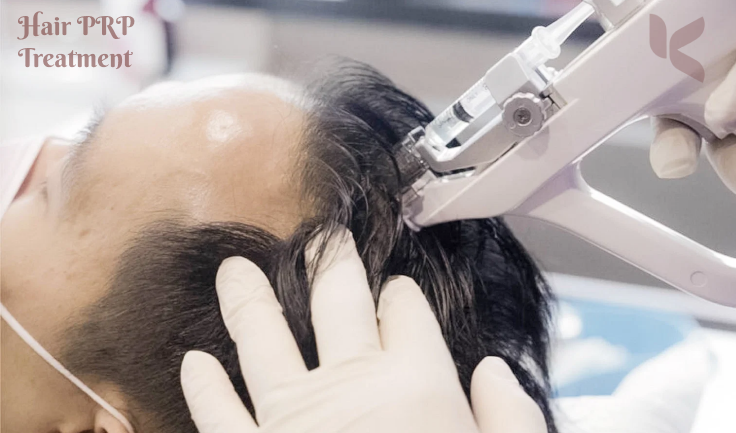
A hair transplant is a surgical procedure designed to restore hair in areas affected by thinning or baldness. While many individuals achieve satisfactory results after their first procedure, some may consider additional treatment to improve density, address continued hair loss or correct unsatisfactory outcomes.
A second hair transplant may be an option for suitable individuals, but undergoing another procedure requires careful evaluation of the scalp, existing grafts and available donor hair. The decision also depends on the results of the initial surgery, recovery progress and long-term hair restoration goals.
Understanding when repeat surgery is appropriate can help individuals make informed decisions while avoiding unnecessary procedures.
Why Do People Need a Second Hair Transplant?
Not every patient requires multiple procedures. However, certain circumstances may lead individuals to consider additional hair restoration.
Some common reasons include:
 Insufficient density: The first procedure may not have achieved the desired coverage or thickness.
- Progressive hair loss: Natural hair loss may continue in untreated areas after the initial transplant.
- Uneven hair distribution: Some areas may appear less dense than others due to graft placement or individual healing.
- Receding hairline: Further hairline changes may create a need for additional restoration.
- Previous unsatisfactory results: Poor planning, inadequate graft survival or an unnatural appearance may require corrective treatment.
Understanding the underlying cause is essential before deciding whether another procedure is necessary.
When Can You Get a Second Hair Transplant?
Timing plays an important role in determining whether another procedure is appropriate. Hair growth after transplantation takes time, and the final outcome cannot usually be assessed immediately.
In most cases, patients are advised to wait approximately 12 months before evaluating the complete results of their initial procedure. Some individuals may require longer, depending on healing and hair growth patterns.
A second procedure may be considered when:
- The initial transplant has completed its primary healing and growth phases.
- Existing hair density and graft survival can be evaluated.
- The donor area has recovered sufficiently.
- Continued hair loss has been assessed and stabilised where possible.
- The surgeon determines that additional graft extraction is safe.
Proceeding too early may interfere with proper assessment and increase unnecessary surgical risks.
What Are the Common Hair Transplant Failure Reasons?
A previous procedure does not always produce the expected outcome. Several factors can influence the final appearance and overall success of transplantation.
Common hair transplant failure reasons include:
- 1. Poor surgical planning: An unsuitable hairline design, unrealistic density expectations or inadequate graft distribution can affect the final appearance.
- 2. Low graft survival: Not all transplanted follicles necessarily survive. Graft handling, storage, implantation technique and individual healing can influence survival.
- 3. Limited donor hair quality: The characteristics and density of the donor area affect how many healthy follicles can be harvested.
- 4. Continued natural hair loss: Existing non-transplanted hair may continue thinning, creating visible gaps around the transplanted areas.
- 5. Post-operative complications: Infection, excessive inflammation or poor wound healing may affect recovery and potentially influence the outcome.
Identifying the specific cause helps determine whether corrective surgery, medical treatment or observation is the most appropriate approach.
Can a Failed Hair Transplant Be Corrected?
In selected cases, an unsatisfactory result can be improved through hair transplant repair or revision surgery. However, correction depends on the condition of the scalp, remaining donor hair and the extent of the original problem.
A hair transplant revision may address concerns such as:
- An unnatural or poorly designed hairline.
- Uneven density across the transplanted area.
- Visible scarring in the donor or recipient region.
- Poorly distributed grafts.
- Insufficient coverage in specific areas.
Corrective procedures can be more complex than first-time transplantation because the surgeon must work around existing grafts, scar tissue and limited donor resources.
Not every unsuccessful result requires another transplant. In some cases, medical management or other corrective approaches may be more suitable.
How Important Is the Donor Area for a Repeat Hair Transplant?
The donor area is one of the most important considerations when planning another procedure. Hair follicles are a limited resource, and repeated extraction must be managed carefully.
Before recommending another surgery, the surgeon evaluates:
- Remaining donor hair density.
- Previous extraction patterns.
- Scarring and tissue condition.
- Hair shaft thickness and follicle characteristics.
- The number of grafts that can be safely harvested.
How much donor hair is needed for a second hair transplant?
There is no fixed graft requirement. The number depends on the size of the area requiring restoration, available donor density, existing coverage and desired outcome.
Overharvesting can create visible thinning in the donor region. Therefore, preserving sufficient donor hair for potential future needs is essential.
What Should You Know About Second Hair Transplant Recovery?
Recovery after another procedure is generally similar to that of an initial hair transplant, although previous scarring and the extent of surgery may influence healing.
Patients may experience temporary redness, swelling, tenderness and small scabs around the treated areas.
Important recovery considerations include:
- Follow the surgeon's instructions for scalp cleaning and medication.
- Avoid scratching or disturbing newly implanted grafts.
- Limit strenuous activities until medically cleared.
- Attend scheduled follow-up appointments.
- Allow sufficient time for new hair growth and density development.
A second procedure does not guarantee better results. Proper aftercare and individual healing remain important factors.
Hair Transplant Complications and Shock Loss: What Are the Risks?
Undergoing another procedure involves risks similar to those associated with the initial surgery. Previous scarring or reduced donor availability may add complexity.
Potential hair transplant complications include:
- Infection or inflammation.
- Prolonged redness and swelling.
- Scarring in the donor or recipient area.
- Uneven hair growth.
- Changes in scalp sensation.
Hair transplant shock loss is another concern. It refers to temporary shedding of existing or transplanted hair following surgical stress. In many cases, the affected follicles recover and produce new growth, although permanent loss can occasionally occur, particularly when vulnerable existing follicles are affected.
A thorough assessment helps the surgeon understand these risks and determine whether another procedure is appropriate.
Frequently Asked Questions
Final Thoughts
A repeat hair transplant can be considered when the initial results are insufficient, natural hair loss progresses or corrective restoration is required. However, undergoing another procedure should always involve a careful assessment of donor hair availability, scalp health and previous surgical outcomes.
Rather than focusing only on achieving greater density, patients should prioritise long-term hair restoration planning. Consulting an experienced hair transplant surgeon can help determine whether another procedure is appropriate and establish realistic expectations for the results. At Lyris Clinical Aesthetics, explore our Hair Transplant in Coimbatore options designed around individual assessment and transparent consultations.